The Athletic's Ted Nguyen published an article last week, "
Ty Simpson film review: Is the Alabama QB worthy of a first-round NFL Draft pick?". Gemini summarized the article thusly:
While he is widely considered the No. 2 quarterback in the class behind Indiana’s Fernando Mendoza, Ty Simpson's draft stock is a subject of intense debate due to a season of two halves and physical red flags.
Arguments for a First-Round Pick
- Pro-Style Readiness: Simpson played in a sophisticated passing system under offensive coordinator Ryan Grubb. Scouts value his ability to execute NFL-style concepts, particularly his aggressiveness and accuracy when throwing into tight windows over the middle of the field.
- Early Season Dominance: Through his first eight games, Simpson posted elite numbers (20 touchdowns to one interception) and a high EPA per drop-back. Proponents argue this "peak" version of Simpson—before illness and injury took hold—is the true indicator of his NFL potential.
- High Floor: He is described as a fundamentally sound "coach's son" with a high football IQ and the pre-snap processing abilities required to manage a professional offense.
Arguments Against a First-Round Pick
- Size and Durability: Measuring just over 6-foot-1 and 211 pounds, Simpson falls into the lower percentiles for NFL quarterbacks. Critics point to his late-season struggle with gastritis (which caused a 20-pound weight loss) and a season-ending rib injury as evidence that his frame may not withstand NFL physicality.
- Lack of Experience: With only 15 collegiate starts, Simpson is viewed by some as an unfinished product. Historically, quarterbacks with such limited starting experience face a steep learning curve in the pros.
- Performance Volatility: His play declined significantly in the final seven games of the season. While some attribute this to health issues and a lack of a supporting run game at Alabama, others worry he struggled as opposing defenses gathered more film on him.
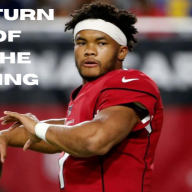
- Physical Limitations: Unlike other "undersized" successful quarterbacks (like Kyler Murray or Michael Vick), Simpson is primarily a pocket passer rather than an elite scrambler, making him a statistical outlier if he is to succeed at the next level.
Ultimately, the author,
Ted Nguyen, concludes that while Simpson's mental processing gives him a safe floor, his physical limitations and lack of experience make him more of a
third-round talent who might only be pushed into the late first or second round due to a weak overall quarterback class.